
Published October 27, 2026
Annual Chimney Inspection in Camden County: What You Can Do Yourself and When to Call a Pro
An annual chimney inspection helps homeowners identify damage, blockages, creosote buildup, and other problems that can affect fireplace safety. In Camden County, New Jersey, homeowners may be tempted to skip an inspection if they only use their fireplace occasionally. However, chimneys can deteriorate even when they are not in regular use.
A basic visual check can help you spot obvious warning signs, but it cannot replace a professional inspection. Understanding what an inspection covers, which maintenance tasks you can safely handle, and when to call a qualified chimney professional can help protect your home throughout the heating season.
What Does an Annual Chimney Inspection Actually Cover?
A professional chimney inspection examines accessible portions of the fireplace and chimney system to identify conditions that could affect safe operation.
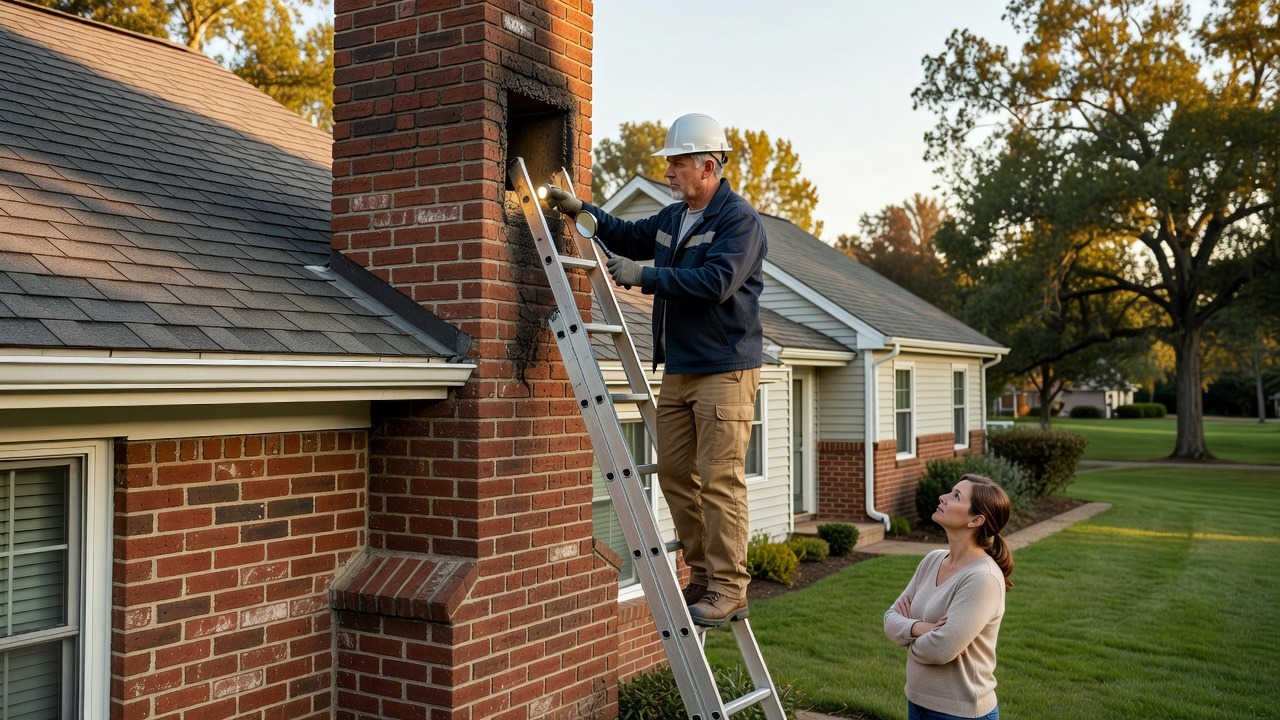
During a Level 1 inspection, a technician checks the readily accessible areas of the chimney, connected appliance, and chimney connection. Depending on the system, this may include examining the firebox, damper, visible flue components, smoke chamber, chimney cap, crown, and exterior masonry.
The technician looks for cracks, deteriorating mortar, obstructions, combustible deposits, and other signs of damage. If cleaning is needed, the technician can recommend the appropriate service.
The inspection’s scope depends on the chimney’s design, accessibility, and history. A Level 1 inspection does not automatically include video scanning of the entire flue or access to every concealed area. If a more detailed evaluation is warranted, a Level 2 or Level 3 inspection may be appropriate.
In Camden County, homes in communities such as Haddon Heights and Haddonfield can have different chimney designs, ages, and maintenance histories. The correct inspection approach depends on the individual property rather than its location alone.
How Often Do You Need a Chimney Inspection in South Jersey?
The National Fire Protection Association’s NFPA 211 standard recommends inspecting chimneys, fireplaces, and vents at least once a year for soundness, deposits, and proper clearances. Cleaning, maintenance, and repairs should be performed when necessary.
This recommendation applies even if you rarely use your fireplace. Moisture can deteriorate masonry, animals can enter an unprotected flue, and debris can accumulate while a chimney is idle.
For homeowners in Barrington, Bellmawr, and other Camden County communities, an annual inspection is a practical way to identify these problems before the fireplace is used heavily during colder weather.
An annual inspection does not mean every chimney requires a full cleaning every year. The need for cleaning depends on the amount and type of deposits, fuel used, burning habits, and condition of the system.
Scheduling an inspection before the heating season gives you time to address problems before relying on your fireplace.
Can You Inspect Your Own Chimney?
You can perform basic visual checks of accessible areas, but you cannot replace a professional chimney inspection with a flashlight and a quick look inside the firebox.
Here are some checks homeowners can perform safely.
-
Inspect the firebox: When the fireplace is completely cold, look for obvious cracks, loose firebricks, or deteriorating mortar.
-
Check the damper: From a safe position, confirm that it moves properly when the fireplace is not in use.
-
Look for debris: Check for visible obstructions in accessible areas without reaching into the flue or attempting to remove unknown material.
-
Observe the exterior: From the ground, look for visible cracks, missing chimney-cap components, crumbling mortar, or staining.
-
Watch for moisture: Note water stains, rust, or dampness around the fireplace and nearby walls.
Do not climb onto a roof or dismantle chimney components to perform a DIY inspection. A visual check also cannot establish whether hidden liner damage, concealed masonry deterioration, or unsafe clearances are present.
If you notice smoke entering the room, suspect a blockage, or see substantial structural damage, stop using the fireplace until it has been evaluated.
What Can You Clean Yourself, and What Needs a Professional?
Some basic fireplace maintenance is manageable for homeowners. More complex chimney cleaning requires appropriate tools, equipment, and knowledge of the chimney system.
Tasks You Can Handle
Once the fireplace and ashes have cooled completely, you can remove excess ash with a suitable fireplace shovel and a metal container. Store ash safely away from combustible materials because embers can remain hot for a long time.
You can also remove loose debris from the accessible firebox floor and keep the surrounding area tidy.
Do not use an ordinary household vacuum or standard shop vac for fireplace ash. Fine ash can damage equipment and become airborne. Use only equipment specifically designed for fireplace ash and follow its instructions.
Tasks Best Left to a Professional
Creosote is a combustible deposit that forms when wood-burning byproducts condense on the interior surfaces of a chimney. Depending on the conditions, it may appear as loose flakes, a sticky coating, or hard, glazed deposits.
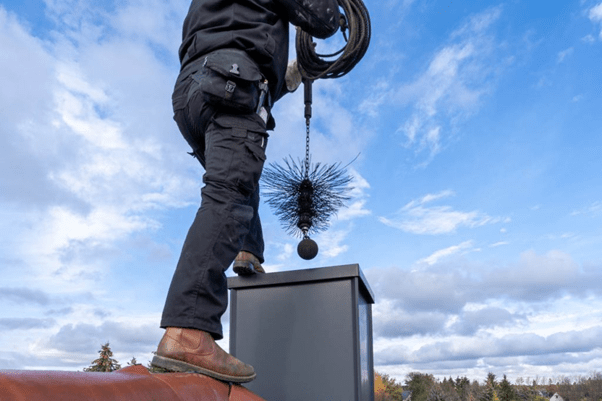
Ordinary chimney brushing can remove many loose deposits, but hardened or glazed creosote may require specialized mechanical equipment or professional treatment.
Attempting to remove difficult deposits without the correct tools can damage the liner or leave combustible material behind. Never try to burn away heavy creosote buildup with an intentionally hot fire.
A qualified chimney professional can assess the deposits, clean the system appropriately, and check for damage that may affect safe operation.
What Is the Difference Between a Level 1 and Level 2 Chimney Inspection?
NFPA 211 describes three inspection levels. The appropriate level depends on the reason for the inspection and the extent of access needed.
Level 1: Routine Inspection
A Level 1 inspection is generally appropriate when the chimney and connected appliance will continue to be used under the same conditions. It covers readily accessible portions of the chimney and connected equipment.
This is the typical starting point for routine annual inspections.
Level 2: More Detailed Inspection
A Level 2 inspection includes the Level 1 examination and additional accessible areas, such as appropriate attic, basement, and crawl-space locations. It also requires video scanning or a comparable examination of the flue interior.
A Level 2 inspection is generally appropriate when a property changes ownership, when certain appliance or fuel changes occur, after a chimney fire or potentially damaging event, or when the circumstances indicate a more detailed evaluation is needed.
If you are buying a home in Haddonfield or Barrington, ask whether a Level 2 chimney inspection is appropriate and whether the seller has recent inspection documentation. A standard home inspection may not provide the same detailed evaluation of the chimney interior.
Level 3: Investigation of Concealed Problems
A Level 3 inspection may be needed when a suspected hazard cannot be adequately evaluated through a Level 1 or Level 2 inspection.
It may involve removing permanently attached components or opening concealed areas to investigate damage. This is not necessary for every chimney, but it can be important when there is evidence of a serious hidden problem.
How Much Does a Chimney Inspection Cost in Camden County?
The cost of a chimney inspection depends on the inspection level, chimney design, accessibility, and services included.
A routine Level 1 inspection generally costs less than a Level 2 inspection that includes video scanning and additional access. Cleaning may be priced separately or offered as part of a service package.
Heavy creosote buildup, difficult access, and the need for additional diagnostic work can increase the total. If the inspection identifies damaged masonry, a cracked liner, or another defect, repairs are generally quoted separately.
Because pricing varies among contractors and properties, request an itemized estimate before authorizing the work. Ask what inspection level is included, whether cleaning is separate, and whether you will receive a written report.
A low initial price is not necessarily the best value if the scope of work does not meet your needs.
What Warning Signs Shouldn’t Wait Until Your Annual Inspection?
Some problems should be assessed as soon as possible rather than left until the next scheduled inspection.
Smoke entering the living space: This can indicate a blockage, draft problem, or another issue with the venting system. Stop using the fireplace until the cause has been assessed.
Persistent smoky or tar-like odors: These may be associated with creosote deposits or airflow problems. Arrange an inspection to determine the cause.
Crumbling masonry or visible cracks: Damaged mortar, loose bricks, or significant cracks can indicate deterioration that needs professional attention.
White staining on exterior brick: Efflorescence can indicate moisture movement through masonry. The source may be the crown, flashing, mortar joints, or another part of the structure.
Animal sounds or nesting material: A bird or other animal may have entered the flue. Do not light a fire until you know the flue is clear, and seek appropriate help if wildlife or a potentially protected nest is present.
If a carbon monoxide alarm sounds, leave the home and contact emergency services. Do not re-enter until authorities say it is safe.
Does a New or Recently Renovated Home Still Need an Inspection?
Yes. A newer home is not automatically free of chimney defects, and renovation work can affect a fireplace or venting system.
Construction debris, changes to connected appliances, or work around the chimney may affect the system’s condition or suitability for continued use. Following certain appliance changes or potentially damaging work, a more detailed inspection may be appropriate.
Homeowners in Haddon Heights, Gloucester Township, and nearby communities should review the available inspection history rather than assume the chimney is safe because the property is relatively new.
Before using a fireplace for the first time after major work, ask a qualified professional whether an inspection is warranted.
What Qualifications Should You Look for in a Chimney Inspector?
Choose a professional with relevant training and experience inspecting the type of chimney you have.
CSIA certification is one recognized credential for chimney professionals. If you have a gas fireplace or gas appliance, ask whether the technician has relevant training for that equipment, such as a suitable National Fireplace Institute (NFI) credential.
It is also sensible to ask whether the company carries appropriate insurance, what the inspection includes, and whether it will provide a written report.
The report should identify observed conditions, explain any safety concerns, and describe recommended next steps. Photographs or video documentation can be especially helpful when the technician identifies defects inside the flue.
Credentials are useful, but homeowners should also evaluate the clarity of the inspection findings and the evidence supporting any proposed repairs.
What Happens If the Inspection Finds a Problem?
An inspection finding does not automatically mean the chimney needs major repairs. The next step depends on the type, location, and severity of the problem.
A small area of deteriorating mortar may require localized masonry repair. A damaged liner, significant obstruction, or evidence of a chimney fire may require more extensive investigation before the fireplace can be used safely.
Ask the technician to explain the findings, provide supporting documentation, and distinguish urgent safety issues from routine maintenance recommendations.
You should receive a written estimate before approving repair work. If the proposed work is extensive or expensive, obtaining a second opinion can help you compare repair options.
If the technician identifies a condition that makes continued use unsafe, do not use the fireplace until the necessary assessment and repairs are completed.
Summary: DIY vs. Professional Chimney Inspection in Camden County
| Task | Homeowner can handle? | Professional recommended? |
|---|---|---|
| Removing completely cooled ash | Yes, with suitable tools and safe disposal | Not usually necessary |
| Visual check of the firebox | Yes | Yes, if damage is suspected |
| Checking the cap and crown from ground level | Yes | Yes, for a closer assessment |
| Removing heavy or glazed creosote | No | Yes |
| Evaluating the full flue liner | No | Yes |
| Level 2 inspection when warranted | No | Yes |
| Diagnosing concealed masonry or liner damage | No | Yes |
| Inspecting a gas fireplace or connected appliance | Limited visual checks only | Qualified professional |
| Receiving a written inspection report | No | Request it from the inspector |
Schedule Your Annual Chimney Inspection in Camden County
A basic visual check can help you notice problems, but it cannot replace a professional inspection. Creosote buildup, damaged liners, water intrusion, and hidden structural defects may not be apparent from the firebox or ground level.
Haddon Heights Chimney is the business named in this article. Before publishing, confirm its current service area and whether it offers a free chimney inspection. If the offer is available, homeowners in Haddon Heights, Haddonfield, Barrington, Bellmawr, and other served communities can contact the company to ask about scheduling an inspection.
An annual inspection helps you understand your chimney’s condition, identify necessary maintenance, and make informed decisions before the heating season begins.
Related from Haddon Heights Chimney: Chimney Sweep in Haddon Heights · Chimney Sweep in Haddonfield
Our services
Chimney Sweep Oaklyn · Chimney Sweep in Haddon Heights · Chimney Sweep in Haddon Heights · Chimney Sweep in Haddon Heights · Fireplace Cleaning in Haddon Heights, NJ · Chimney Sweep Cleaning Repair Haddon Heights NJ in Haddon…
Areas we serve
Magnolia, NJ · Haddon Heights, NJ · Haddon Heights, NJ · Haddon Heights, NJ · Barrington, NJ