
What Creosote Removal Actually Costs in South Jersey and What You’re Paying For
Most Camden County homeowners who call about creosote have already noticed something: a strong, acrid smell coming from the fireplace or dark, sticky buildup inside the firebox. Some have even experienced a chimney fire that sounded like a freight train running through the flue. The cost question comes quickly after that. Creosote removal in South Jersey typically runs from $150 to $800 or more, depending on the severity of the buildup and whether the chimney needs additional work beyond a basic sweep. That range is wide because several specific factors determine the final cost.
Why Creosote Demands Attention Before Cost
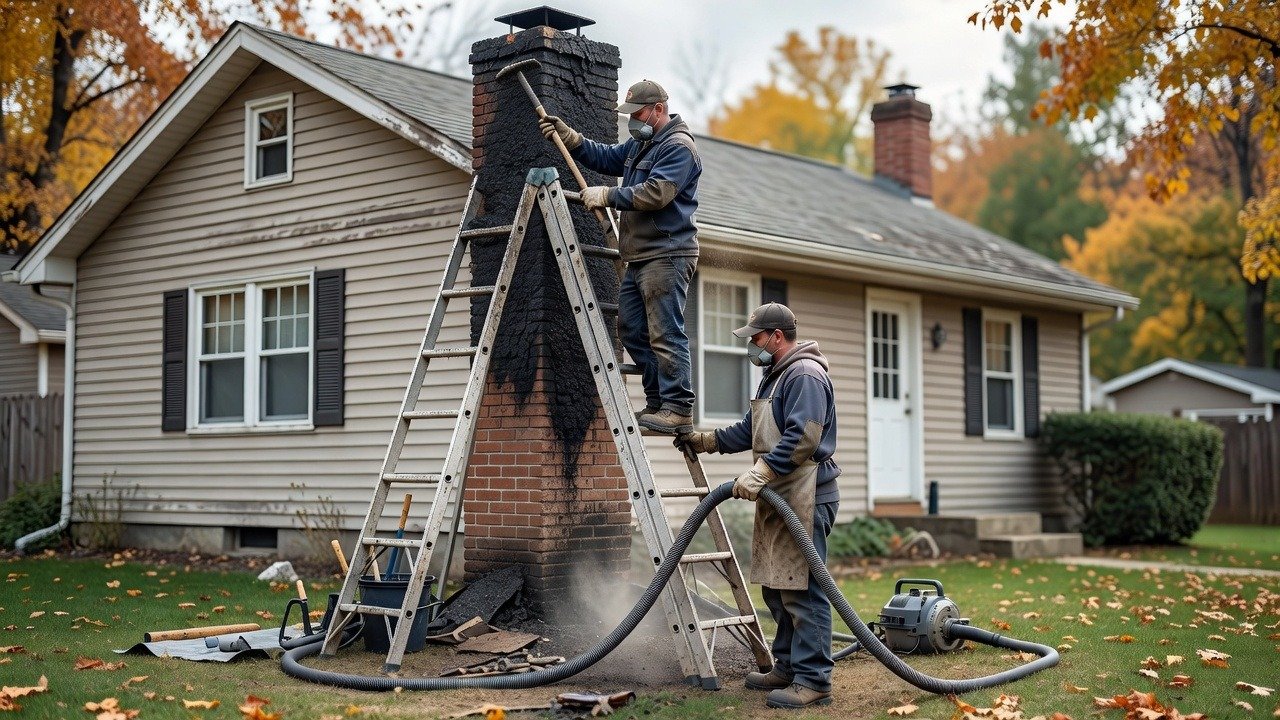
Creosote is not just soot. It is a byproduct of incomplete combustion that forms when wood smoke cools and condenses inside the flue before exiting. NFPA 211 classifies creosote in three degrees. First degree is dusty and flaky. Second degree is harder and more tar like. Third degree is glazed and difficult to remove.
The Chimney Safety Institute of America recommends annual inspections because catching buildup early can mean the difference between a routine cleaning and a much more involved removal process. Older homes across Haddonfield, Barrington, and Cherry Hill can also have masonry chimneys that were originally designed for other heating applications before being used with wood burning fireplaces or inserts. These systems may require closer attention to buildup and flue condition.
The Honest Price Range Up Front
| Service Level | Typical South Jersey Range |
|---|---|
| Level 1 sweep with light first degree buildup | $150 to $250 |
| Level 2 inspection with cleaning and camera | $250 to $400 |
| Second degree creosote removal | $300 to $500 |
| Third degree or glazed creosote treatment | $500 to $800+ |
| Liner repair or relining after damage | $1,500 to $4,500+ |
These ranges reflect the different conditions technicians may encounter across Camden County. A single story ranch in Barrington with a short flue and regular maintenance is a very different job from an older Haddonfield colonial with a tall masonry chimney and years of heavy buildup.
What Drives the Cost Up or Down
Degree of buildup is the biggest variable. Third degree glazed creosote requires specialized treatment before mechanical removal. This can involve additional labor, products, and sometimes a follow up visit. First degree buildup that can be removed during one routine appointment is the least expensive situation.
Flue length and configuration also affect the price. A tall chimney on a two story home takes more time to access, clean, and inspect than a short flue on a single story property.
Access and liner condition can change the scope of the job. If a technician discovers damaged clay tiles or other liner problems during the cleaning, additional inspection may be necessary before the chimney can safely be used.
Wood burning habits influence how quickly creosote accumulates. Burning unseasoned wood or maintaining slow, smoky fires can increase buildup over time.
Time since the last cleaning is another straightforward factor. A chimney that has not been serviced for five or six years is likely to require more work than one cleaned annually.
Chimney cap and damper condition may also be identified during the visit. These are separate repairs, but problems with either component can contribute to moisture, airflow, or chimney performance issues.
What a Standard Creosote Removal Visit Includes
A proper cleaning typically includes brushing the flue, removing debris from the firebox, visually checking accessible portions of the liner, and documenting the findings.
The base cleaning generally does not include a full camera inspection, chimney cap replacement, smoke chamber resurfacing, damper repair, or masonry work. If second or third degree creosote is discovered during what began as a routine sweep, the technician should explain the additional work and cost before proceeding.
Always ask for a written estimate before approving additional services.
One Way to Avoid Overpaying
Look for a CSIA certified technician. Certification can help homeowners identify technicians who have received training related to chimney systems, inspection, cleaning, and applicable safety standards.
Ask the technician to explain what degree of creosote is present and why a particular removal method is necessary. You should understand what you’re paying for before the work begins.
Ready to Know What You’re Actually Dealing With?
Haddon Heights Chimney serves homeowners throughout Camden County, including Haddon Heights, Haddonfield, Barrington, Collingswood, Cherry Hill, Audubon, and surrounding South Jersey communities.
We offer free chimney inspections so homeowners can understand the condition of their flue before committing to cleaning or repair work. If creosote is the issue, we’ll explain what needs to be done and what the expected cost will be.
Related from Haddon Heights Chimney: Fireplace Cleaning in Haddon Heights, NJ – Clear the Creosote Before Y · Chimney Sweep Cleaning Repair Haddon Heights NJ in Haddon Heights
Our services
Chimney Services in Bellmawr, NJ · Chimney Services in Haddonfield, NJ · Chimney Services in Audubon, NJ · Chimney Inspection · Chimney Cleaning · Chimney Repair
Areas we serve
Haddon Heights, NJ · Haddon Heights, NJ · Haddon Heights, NJ · Brooklawn, NJ · Barrington, NJ · Brookfield, NJ · Glendora, NJ · Magnolia, NJ