
How to Get Chimney Liner Repair Right the First Time in Haddon Heights and Collingswood
Your chimney liner is one of the most important safety components of your fireplace and heating system. It directs smoke, gases, and heat safely out of your home while protecting the chimney’s masonry from excessive temperatures and corrosive byproducts.
Unfortunately, chimney liner damage often develops without obvious warning signs. A persistent smoky odor, poor draft, rising heating costs, or small pieces of clay tile inside the fireplace may indicate that the liner has been deteriorating for years.
If you own a home in Haddon Heights, Collingswood, or anywhere in Camden County, understanding the repair process before hiring a contractor can help you make informed decisions, avoid unnecessary expenses, and ensure the repair is completed correctly the first time.
Know What Type of Chimney Liner You Have
Before discussing repair options, it’s important to determine what type of chimney liner your home has.
Common liner systems include:
- Clay tile liners
- Stainless steel liners
- Cast-in-place liners
Many older homes throughout Haddon Heights and Collingswood still use original clay tile liners. While durable, these liners can crack over time due to repeated heating and cooling cycles, moisture intrusion, or acidic flue gases produced by modern heating appliances.
The type of liner installed will determine the most appropriate repair solution.
Step 1: Schedule a Professional Chimney Inspection
Every chimney liner repair should begin with a thorough inspection.
A Level 2 chimney inspection typically includes specialized video equipment that allows technicians to examine the interior of the flue for:
- Cracked clay tiles
- Missing mortar joints
- Offset liner sections
- Spalling
- Creosote buildup
- Water damage
Video inspections provide an accurate diagnosis and help homeowners understand exactly what repairs are needed before receiving estimates.
Step 2: Request Written Documentation
After the inspection, ask for a written report that includes photographs or video images whenever possible.
Documentation allows you to:
- Understand the location of the damage.
- Compare estimates from different contractors.
- Track future changes.
- Maintain records for insurance or home sales.
A reputable chimney company should have no hesitation providing clear documentation of its findings.
Step 3: Understand Your Repair Options
The appropriate repair method depends entirely on the condition of the existing chimney liner.
Stainless Steel Chimney Liners
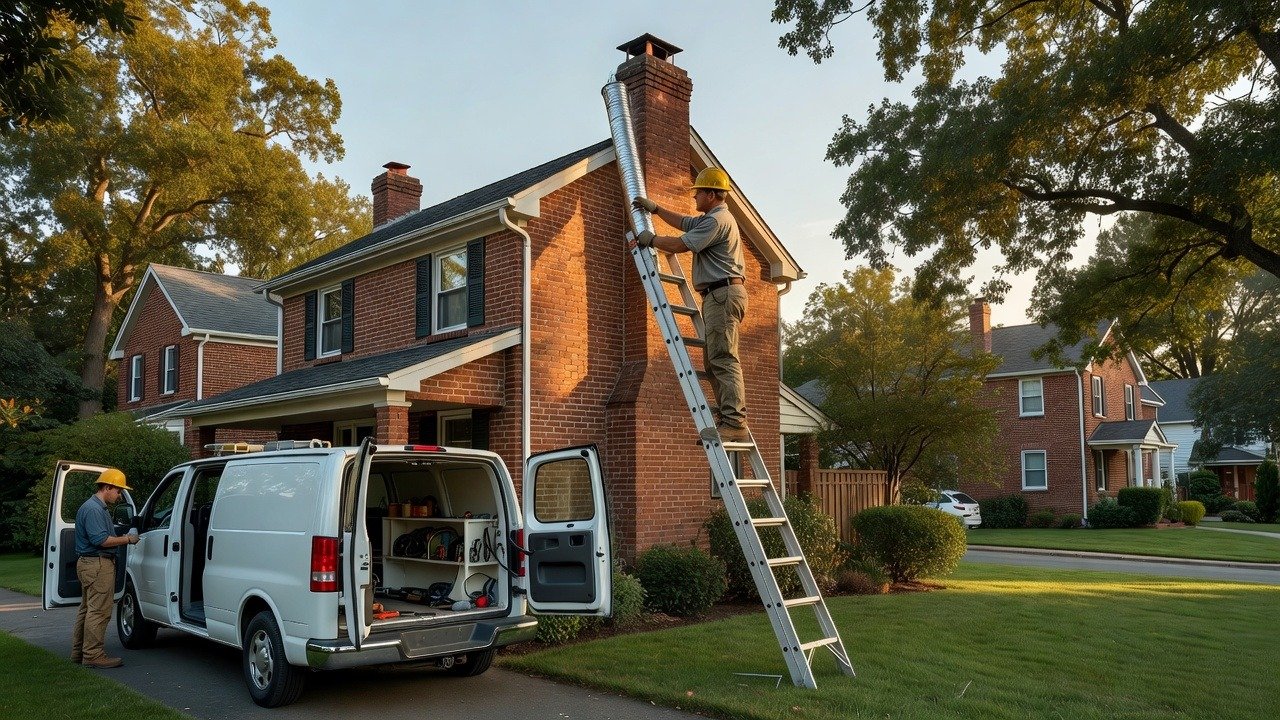
Installing a stainless-steel liner is one of the most common repair methods for damaged clay tile chimneys.
Benefits include:
- Excellent durability
- Compatibility with many heating appliances
- Long service life
- Improved venting performance
Typical installation costs range from approximately $1,500 to $3,500, depending on chimney height and complexity.
Cast-in-Place Chimney Liners
Cast-in-place systems create a new liner by installing specialized refractory material inside the existing chimney.
This method may be appropriate for:
- Irregular chimney shapes
- Severely damaged clay liners
- Older masonry chimneys requiring structural reinforcement
Typical costs often range between $3,000 and $5,000.
Localized Repairs
Minor damage affecting only a small section of the liner may sometimes be repaired without replacing the entire system.
These repairs are appropriate only when the damage is limited and the remainder of the liner remains structurally sound.
Step 4: Make Sure the Liner Is Properly Sized
Installing the correct liner size is just as important as selecting the proper repair method.
An oversized or undersized liner can lead to:
- Poor draft
- Excess condensation
- Reduced heating efficiency
- Increased creosote buildup
- Carbon monoxide hazards
Professional chimney technicians calculate liner size based on the specific fireplace or heating appliance connected to the chimney.
Step 5: Verify Permits and Code Compliance
Most chimney liner replacement projects require compliance with local building codes and permitting requirements.
Before work begins, ask your contractor:
- Will permits be obtained?
- Will inspections be scheduled if required?
- Does the installation comply with New Jersey building codes?
- Will all documentation be provided after completion?
Proper permitting helps ensure the installation meets current safety standards and may simplify future home sales.
Step 6: Review Materials and Warranty Coverage
Not all stainless-steel liners are manufactured from the same materials.
Depending on the appliance being vented, contractors may recommend different stainless-steel alloys designed to resist corrosion and withstand long-term use.
Before signing a contract, confirm:
- Which liner material will be installed.
- Manufacturer warranty coverage.
- Labor warranty details.
- Installation specifications.
Clear warranty information provides valuable long-term protection.
Step 7: Continue Annual Chimney Maintenance
Even after a new chimney liner is installed, regular maintenance remains essential.
Annual inspections help identify:
- Creosote buildup
- Water intrusion
- Chimney cap damage
- Masonry deterioration
- Draft problems
- Wear affecting the new liner
Routine maintenance helps maximize the lifespan of your chimney system while protecting your investment.
What If You Notice Smoke After the Repair?
If smoke or combustion odors continue after the liner has been repaired or replaced, discontinue using the fireplace until the system can be re-evaluated.
Potential causes include:
- Improper liner connections
- Draft problems
- Chimney cap issues
- Appliance venting concerns
- Negative air pressure inside the home
Prompt follow-up inspections help ensure the new liner is operating safely and efficiently.
Frequently Asked Questions
1. How do I know if my chimney liner needs repair?
Common warning signs include smoky odors, poor draft, cracked clay tile fragments inside the fireplace, excessive creosote buildup, water damage, and reduced fireplace performance.
2. What is the most common chimney liner repair?
Installing a stainless-steel chimney liner is one of the most common solutions for damaged clay tile liners because it offers excellent durability and long-term performance.
3. How much does chimney liner repair cost?
Minor repairs vary depending on the damage, while complete stainless steel liner installations generally range from $1,500 to $3,500. More extensive cast-in-place systems may cost $3,000 to $5,000.
4. Do chimney liner repairs require permits?
Many chimney liner replacement projects require permits and inspections under local building codes. Your contractor should explain any permitting requirements before work begins.
5. How often should my chimney liner be inspected?
Most chimney systems should be professionally inspected once each year to identify developing problems early and ensure safe fireplace operation.
Schedule Your Free Chimney Inspection Today
If you’ve noticed smoke odors, damaged clay tiles, poor draft, or you simply haven’t had your chimney inspected in several years, now is the perfect time to schedule a professional evaluation.
Haddon Heights Chimney proudly serves homeowners throughout Haddon Heights, Collingswood, Barrington, Haddonfield, Audubon, Oaklyn, and communities across Camden County. Our experienced chimney professionals provide Level 1 and Level 2 chimney inspections, camera inspections, chimney liner repair and replacement, stainless steel liner installation, chimney relining, chimney sweeping, masonry repairs, chimney cap installation, waterproofing, and complete chimney safety evaluations. We provide honest recommendations, detailed inspection reports, and code-compliant installations designed to keep your fireplace operating safely for years to come. Contact Haddon Heights Chimney today to schedule your free chimney inspection and camera assessment.
Our services
Chimney Services in Collingswood, NJ · Chimney Services in Haddonfield, NJ · Chimney Services in Audubon, NJ · Chimney Inspection · Chimney Cleaning · Chimney Repair
Areas we serve
Haddon Heights, NJ · Barrington, NJ · Glendora, NJ · Magnolia, NJ · Haddon Heights, NJ · Haddon Heights, NJ · Haddon Heights, NJ