

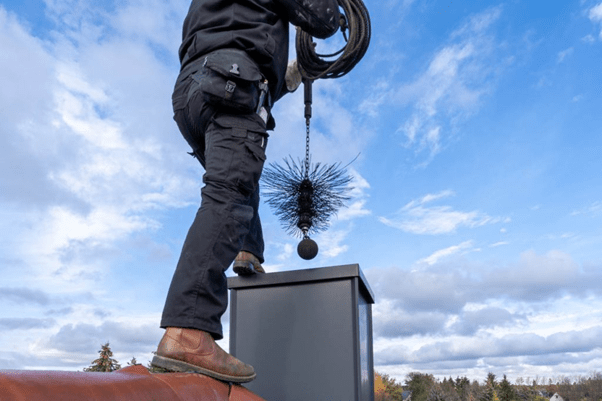
Keeping a chimney clean is not just about appearance, it’s about safety, efficiency, and protecting your home. Over time, soot, ash, and creosote build up inside the chimney flue, increasing the risk of chimney fires and poor ventilation. While many homeowners understand the importance of regular chimney cleaning, fewer realize how much the tools matter.
Professional chimney technicians rely on specialized equipment designed to clean thoroughly, inspect accurately, and protect both the home and the technician. These tools go far beyond basic brushes or household vacuums. In this guide, we’ll explore the essential professional chimney cleaning tools every technician uses and why they make such a significant difference in chimney care.
Why Professional Chimney Cleaning Tools Matter
Chimneys are complex systems. They can vary in height, shape, liner material, and level of buildup. Creosote, a highly flammable byproduct of burning wood can cling stubbornly to chimney walls, especially when fires burn cool or wood is not fully seasoned.
Professional chimney cleaning tools are designed to:
- Remove soot and creosote more effectively
- Reach the entire length of the flue
- Reduce mess and airborne dust
- Identify hidden issues before they become serious problems
Using the right tools isn’t just about cleanliness, it’s about preventing chimney fires, carbon monoxide leaks, and costly structural damage.
Chimney Brushes: The Foundation of Proper Cleaning
Chimney brushes remain one of the most important tools in professional chimney cleaning. However, not all brushes are the same.
Professional technicians use different brush types depending on the chimney liner:
- Wire brushes for masonry flues
- Poly brushes for metal or stainless steel liners
- Flat or rectangular brushes for non-round flues
The brush size is carefully matched to the flue dimensions to ensure full wall contact without causing damage. This precise fit allows technicians to remove soot and creosote evenly along the entire chimney interior.
Rod Systems and Extension Tools
A chimney brush is only as effective as the rod system attached to it. Professional rod systems are designed to handle long, tall, or angled chimneys safely and efficiently.
There are two main types:
- Rigid rods, which provide stability and control
- Flexible rods, which bend to navigate offsets and curves
Extension systems allow technicians to clean from the fireplace opening or from the roof, depending on the structure of the chimney. Proper rod systems ensure consistent pressure during cleaning, reducing the risk of liner damage.
Industrial-Grade HEPA Vacuums
One of the biggest differences between professional and DIY chimney cleaning is dust control. Professional chimney technicians use industrial-grade HEPA vacuums specifically designed for soot and fine particulate matter.
These vacuums:
- Capture microscopic soot particles
- Prevent dust from spreading into living spaces
- Protect indoor air quality
- Keep the cleaning process neat and contained
Household vacuums lack the filtration strength to handle chimney debris safely, which is why professionals never rely on consumer-grade equipment.
Rotary Cleaning Systems
Rotary chimney cleaning systems use powered rotation to enhance brushing effectiveness. These tools are especially useful for chimneys with heavy creosote buildup.
Benefits of rotary systems include:
- Faster and more uniform cleaning
- Improved removal of hardened creosote
- Better results in tall or heavily used chimneys
Technicians adjust speed and brush type based on chimney condition, ensuring aggressive cleaning when necessary without compromising safety.
Inspection Tools and Chimney Cameras
Cleaning alone isn’t enough, professional chimney care also involves inspection. Chimney cameras allow technicians to visually assess the flue before and after cleaning.
Inspection tools help identify:
- Cracked or damaged liners
- Blockages from nests or debris
- Creosote glaze buildup
- Structural issues not visible from outside
Midway through the service process, companies like Haddon Heights Chimney often rely on these inspection tools to ensure the chimney is not only clean but also structurally sound. This step adds an extra layer of safety and transparency for homeowners.
Safety Equipment Used by Professionals
Chimney cleaning involves working at heights and handling hazardous materials. Professional technicians use specialized safety equipment to protect themselves and the home.
Common safety tools include:
- Respirators or dust masks
- Protective suits and gloves
- Drop cloths and sealing systems
- Roof ladders, harnesses, and stabilizers
This equipment minimizes exposure to soot and creosote while preventing accidental damage to roofing or interior spaces.
Debris Removal and Containment Tools
Beyond brushes and vacuums, technicians use additional tools to remove stubborn debris and manage cleanup efficiently.
These include:
- Creosote scrapers
- Ash removal tools
- Sealed collection containers
Proper containment ensures debris is removed safely without spreading contaminants throughout the home.
How Professional Tools Improve Cleaning Results
Using professional chimney cleaning tools leads to:
- More complete soot and creosote removal
- Reduced fire risk
- Improved fireplace and stove performance
- Better airflow and draft
- Longer chimney system lifespan
The combination of specialized tools and trained technique ensures results that DIY methods simply can’t replicate.
Why Homeowners Should Rely on Professional Equipment
Consumer chimney kits often lack the durability, reach, and filtration needed for proper cleaning. More importantly, professional tools require training to use safely and effectively.
Hiring a professional means:
- Access to commercial-grade equipment
- Accurate inspections and diagnostics
- Reduced risk of accidental damage
- Peace of mind knowing the job is done correctly
Frequently Asked Questions (FAQs)
1. How often should a chimney be professionally cleaned?
Most chimneys should be cleaned at least once a year, or more frequently if used heavily.
2. Are professional chimney cleaning tools safe for all chimney types?
Yes, when used correctly. Professionals select tools based on chimney liner material and design.
3. Can professional tools damage my chimney?
When handled by trained technicians, professional tools are designed to clean without causing damage.
4. Why isn’t a regular household vacuum sufficient?
Household vacuums lack HEPA filtration and can release fine soot particles back into the air.
5. Is chimney inspection really necessary if I just want cleaning?
Yes. Inspections help identify hidden hazards that cleaning alone cannot reveal.
Conclusion
Professional chimney cleaning is about far more than brushing away soot. It requires the right combination of tools, training, and experience to ensure safety and long-term performance. From precision brushes and rod systems to HEPA vacuums and inspection cameras, each tool plays a critical role in proper chimney maintenance.Homeowners who choose experienced professionals such as Haddon Heights Chimney benefit from advanced equipment, thorough inspections, and careful attention to detail. Investing in professional chimney cleaning tools and expertise is one of the most effective ways to protect your home, your family, and your fireplace for years to come.