

Fireplaces bring warmth, comfort, and character to a home but they also rely on a system that many homeowners rarely see or think about. The chimney quietly does its job directing smoke and harmful gases outside, yet when something goes wrong, the risks can be serious. This is where certified chimney inspections play a vital role. Far from being a routine formality, a certified inspection is a proactive step that helps protect your home, your investment, and the people inside it.
Many chimney issues develop slowly and without obvious warning signs. Cracks, creosote buildup, or hidden blockages may go unnoticed for years until they cause poor performance, smoke damage, or even a chimney fire. Certified chimney inspections are designed to catch these problems early before they turn into costly or dangerous situations.
What Are Certified Chimney Inspections?
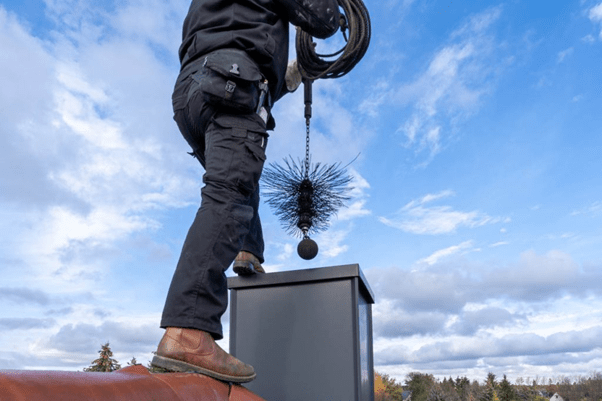
Certified chimney inspections are professional evaluations performed by trained and credentialed chimney specialists who follow recognized industry standards. Unlike a quick visual check, these inspections are systematic and thorough, focusing on the safety, functionality, and structural condition of the entire chimney system.
A certified inspection examines key components such as the flue, liner, masonry, firebox, damper, and chimney cap. Depending on the type of inspection required, it may also include specialized tools like cameras to assess areas that are not visible to the naked eye. The goal is not just to identify obvious damage, but to uncover hidden hazards that could compromise safety over time.
Why Certification Matters in Chimney Inspections
Not all inspections are created equal. Certification matters because it ensures the inspector has proper training, experience, and knowledge of current safety standards. Certified professionals understand how chimneys are designed to function and how age, weather, usage, and construction flaws can affect performance.
A certified chimney inspection provides homeowners with confidence that the findings are accurate and reliable. It reduces the chance of missed issues and helps ensure recommendations are based on safety, not guesswork. When it comes to fire prevention and indoor air quality, that level of expertise makes a meaningful difference.
Common Problems Found During Certified Chimney Inspections
One of the most valuable aspects of certified chimney inspections is their ability to uncover problems homeowners may not realize exist. Some of the most common issues include:
Creosote buildup: This highly flammable byproduct of burning wood accumulates inside the flue over time. Excessive buildup significantly increases the risk of chimney fires.
Cracked or damaged flue liners: Even small cracks can allow heat or combustion gases to escape into surrounding walls, creating a serious fire hazard.
Masonry deterioration: Moisture, freeze-thaw cycles, and age can weaken brick and mortar, affecting both safety and structural integrity.
Blockages and obstructions: Animal nests, debris, or collapsed materials can restrict airflow and cause smoke or carbon monoxide to enter the home.
Moisture damage: Water intrusion is one of the most damaging and common chimney problems, often leading to rusted components and interior decay.
When Should You Schedule a Certified Chimney Inspection?
Certified chimney inspections are recommended at least once a year, even if the fireplace is used infrequently. Annual inspections help ensure the system remains safe and functional before the heating season begins.
There are also specific situations when an inspection is especially important:
- Before buying or selling a home
- After a chimney fire or severe weather event
- Following long periods of disuse
- When you notice odors, smoke issues, or poor draft
Homeowners working with experienced providers such as Haddon Heights Chimney often find that routine inspections provide peace of mind and prevent unexpected repair costs.
What to Expect During a Certified Chimney Inspection
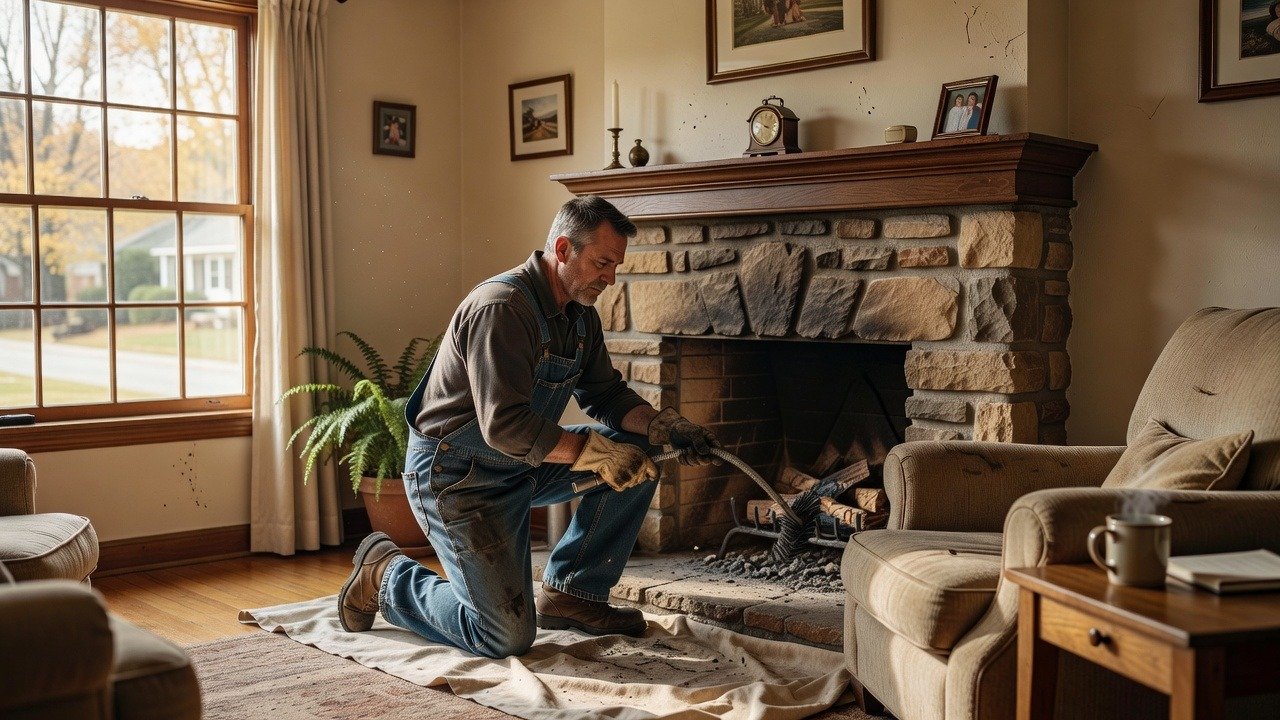
A certified chimney inspection is a straightforward and informative process. The inspector will begin by assessing visible components of the fireplace and chimney, both inside and outside the home. Depending on the inspection level, specialized equipment may be used to view the interior of the flue.
Homeowners can expect a clear explanation of findings, including photographs or video when applicable. Any safety concerns or maintenance needs are typically documented in a written report, allowing you to make informed decisions about next steps. The focus is always on education and prevention not pressure.
How Certified Chimney Inspections Help Prevent Fires and Costly Repairs
One of the greatest benefits of certified chimney inspections is early detection. Identifying small issues before they escalate can prevent chimney fires, carbon monoxide exposure, and extensive structural damage.
Regular inspections also extend the lifespan of your chimney system. Addressing minor repairs early is far less expensive than dealing with major restoration or emergency situations. Over time, certified inspections often save homeowners money while significantly reducing risk.
Choosing a Qualified Chimney Professional
When selecting a chimney inspector, homeowners should look for certification, experience, and a commitment to clear communication. A qualified professional should be willing to explain their process, answer questions, and provide transparent documentation.
Working with trusted local providers, such as Haddon Heights Chimney, ensures that inspections are performed with both technical expertise and an understanding of regional conditions that affect chimney systems.
Frequently Asked Questions
1. Are certified chimney inspections really necessary if my fireplace works fine?
Yes. Many chimney hazards develop without affecting day-to-day performance. An inspection ensures hidden issues are identified before they become dangerous.
2. How long does a certified chimney inspection take?
Most inspections take between 45 minutes and two hours, depending on the complexity of the chimney and inspection level.
3. Do gas fireplaces need certified chimney inspections?
Absolutely. Gas systems can still develop venting issues, blockages, or structural problems that affect safety.
4. Will I receive a report after the inspection?
Yes. Certified inspections typically include a written report outlining findings, recommendations, and any safety concerns.
5. How often should certified chimney inspections be scheduled?
Annual inspections are recommended for most homes, regardless of how frequently the fireplace is used.
Conclusion: A Smart Step Toward a Safer Home
Certified chimney inspections are one of the simplest yet most effective ways to protect your home and family. By identifying risks early, maintaining proper performance, and preventing costly damage, these inspections provide long-term value and peace of mind.
Whether you use your fireplace daily or only on special occasions, working with a trusted provider like Haddon Heights Chimney ensures your chimney system is evaluated with care, expertise, and professionalism. Making certified chimney inspections part of your regular home maintenance routine is a smart step toward a safer, more comfortable home.
Our services
Chimney Services in Audubon, NJ · Chimney Inspection · Chimney Cleaning · Chimney Repair · Chimney Sweep in Audubon · Chimney Sweep in Haddonfield
Areas we serve
Haddon Heights, NJ · Barrington, NJ · Glendora, NJ · Magnolia, NJ · Haddon Heights, NJ · Haddon Heights, NJ · Haddon Heights, NJ